|
Member Cheryl Matossian, M.D. will talk to us about her work as a family practice and sports medicine physician. She graduated with her bachelor and M.D. degrees from the University of Rochester in New York state. Her residency was at UCSD and her fellowship in sports medicine was at San Diego sports medicine center. She has had a private practice for over 20 years in El Dorado Hills. Prior to that she worked in private practice in Elk Grove. Doctor Cheryl told us that she likes to practice integrative and preventative medicine. Since two of our members have has strokes recently, she focused mostly on that topic. Depending on how you categorize them, there are at least 4 types of strokes:
1a) Transient Ischemic Attack (TIA), also called a mini-stroke -- Anything that temporarily blocks blood flow to your brain causes a TIA.;
1b) an Ischemic Stroke, when a blood clot keeps blood from flowing to your brain. The blood clot is often due to atherosclerosis, which is a buildup of fatty deposits on the inner lining of a blood vessel; TIAs + Ischemic strokes make up 80% of all strokes 2a) A Hemorragic stroke, when bleeding in your brain damages nearby cells; 13% of stokes are hemorragic) and of that 13%, 3% of strokes are a
2b) Subarchnoid Hemorragic stroke, when a blood vessel around your brain bursts or leaks. A frequent cause of Ischemic strokes is atrial fibrulation. Hypertension is a main cause of hemorragic strokes. Other causes are: diabetes, obesity, smoking ahd high cholesterol levels. These causes are similar to those for heart attacks. The TIAs are important, because, after one, there is a 25% chance of having s full-fledged stroke within a year. A mnemonic acronym for the signs of stroke are F-A-S-T: F for Facial drooping or weakness; A is for Arm weakness; S is for Speech slurring; and T is for time to call 911 (or Time to get victim to a hospital with a stroke center within 1 to 3 hours). Dr. Cheryl mentioned that Sutter and UC Davis (both in Sacramento) have stroke centers, and a member said that Kaiser-Roseville has a stroke center. If you are at home and having TIA symptoms and are not on any other blood thinners, taking an aspirin is advised. Dr. Matossian was very inspiring about the preventative efforts we can take to reduce the risk of strokes and heart attacks: exercise (at least 4 50 minute sessions per week), reduce sodium intake, eat enough vegetables and fruit (eat colorful meals); and/or substutes such as Balance of Nature powders and vitamin pills. Dr. Matossian was very engaging and inspiring for us to start some of these steps to better long-term health! |



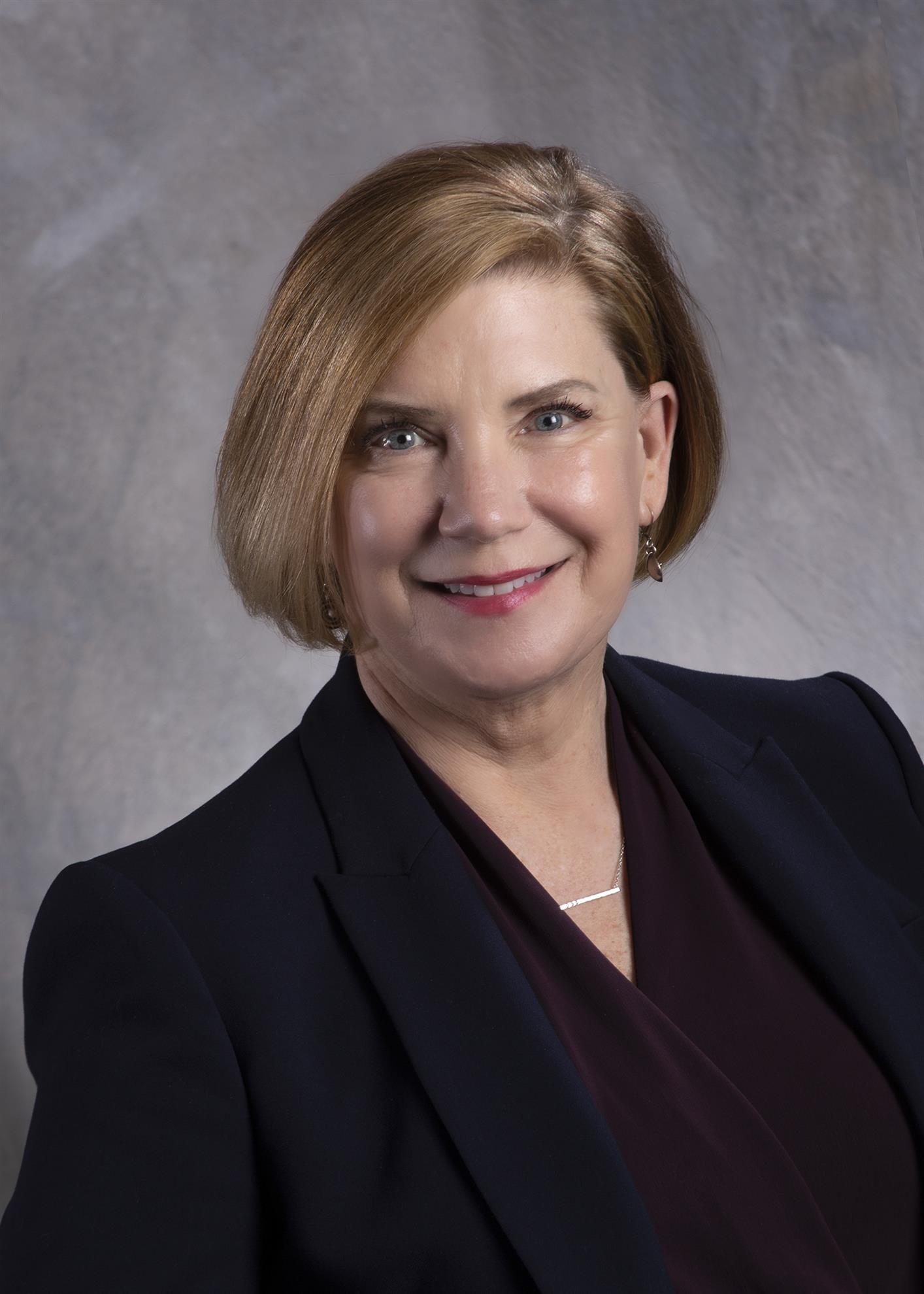 Siri Nelson, MHA, FACHE, CPA, is the President and Chief Executive Officer of Marshall Medical Center, an independent, non-profit healthcare provider in El Dorado County, California. Siri is a seasoned healthcare executive, with 28 years of experience in rural healthcare. She is a fellow in the American College of Healthcare Executives and holds a Master in Health Administration from University of Southern California. Her background includes serving as CEO at Renown South Meadows Medical Center in Reno, Nevada; Chief Administrative Officer for Sutter Lakeside Hospital in Lakeport California; and Chief Financial Officer and Interim CEO at Sutter Amador Hospital in Jackson, California. Siri is the past chair of the American Hospital Association’s Rural Health Services Committee and is a board member for the Hospital Council of Northern and Central California and is the 2023 Board Secretary/Treasurer of the California Hospital Association. She is a member of the Womens’ Fund of El Dorado County and a lifetime member of the Girl Scouts of America.
.png)