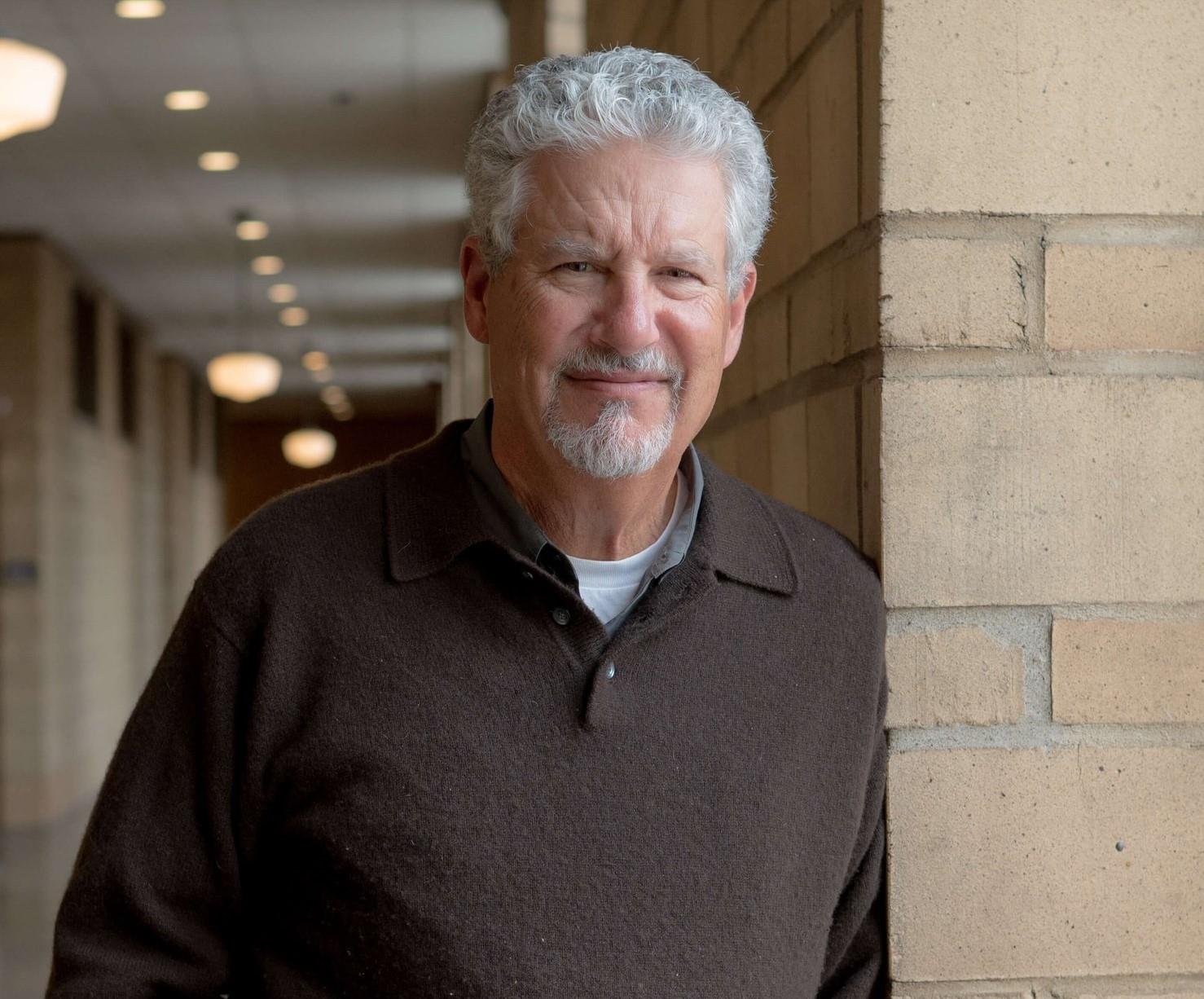
Ken Futernick, Ph.D., co-lead of Bridging Divides El Dorado, spoke to the club about something most of us have experienced — trying to maintain relationships with people when we strongly disagree.
As reported in last week’s Gear Up, Futernick began his career as a teacher in the Rescue Union School District and has devoted much of his career to education. He launched the Teacher Stories podcast in 2018 and Courageous Conversations About Our Schools in 2021. He now helps lead Bridging Divides El Dorado, an initiative that works to strengthen relationships and encourage respectful conversations among people with different viewpoints.
Futernick said political polarization has caused some friends and family members to avoid certain subjects — and, in more serious cases, stop communicating altogether. Bridging Divides does not encourage people to avoid difficult subjects, he said. Instead, it helps them learn how to disagree while maintaining their relationships.
One of the most important steps, Futernick said, is to begin with something people have in common. At Bridging Divides gatherings, participants might first be asked what they love about El Dorado County or what brought them here. Once people share their personal stories, they begin seeing one another as individuals rather than adversaries.
The second step is learning to listen with curiosity rather than preparing a rebuttal.
Futernick described an exercise he uses in workshops. Two people discuss something about which they feel strongly. One speaks for three minutes while the other listens without interrupting. The listener then summarizes what was said and asks, “Did I get that right?”
Participants have told him it is refreshing to speak without being interrupted or judged — and equally meaningful to discover that the other person actually heard them.
Futernick encouraged Rotarians to try the same approach in their own conversations: listen, summarize what the other person has said and make sure you understand before responding. Instead of immediately challenging someone’s facts or sources, ask questions about how the person reached that conclusion.
“You might find some common ground, or maybe we’ll agree to disagree,” Futernick said. The important result, he explained, is being able to walk away understanding one another better.
Although much of his presentation focused on political polarization, Futernick emphasized that the same principles apply to many other disagreements involving families, finances, organizations, education and everyday life. Listening, curiosity and treating others with dignity can help lower the temperature of difficult conversations.
His message to the club was simple: We don’t have to agree, but we can learn to “disagree better.” By beginning with common ground and listening to understand rather than listening to respond, Futernick said, people often discover they have more in common than they thought.